From Turfan to Berlin
Between 1902 and 1915 expeditions from Germany, Britain, Russia and Japan dug in the Turfan oasis. What did they take, and where is it now?
- Uyghur kingdom of Qochokingdom · ≈ 850 – 1335
- Bezeklik praṇidhi muralsWall paintings no one can see any more.
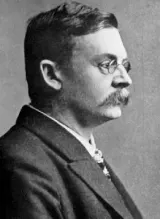 Albert GrünwedelA Buddhist art scholar at the Berlin museum.
- 1902The first German Turfan expedition1902: the first German team reaches Turfan.
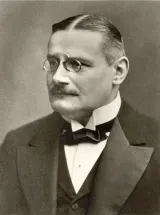 Albert von Le CoqThe man who stood in for Grünwedel.
- 1904Le Coq arrives in Turfan17 November 1904: the second expedition begins.
- The Bezeklik murals are taken to BerlinThe finest paintings leave the caves for Berlin.
- 1905The third German expeditionTwo leaders, one long expedition: 1905 to 1907.
- 1914Stein digs in QochoThe British come too: Stein in Qocho, 1914.
- 1943The Bezeklik murals are lost in Berlin1943: the paintings are lost in Berlin.
End of the path
explorerAurel SteinThe archaeologist whose digs at Dandan Oilik, Niya, Miran and the Dunhuang library showed the Silk Road oases from within, and who took almost everything he found to London and New Delhi.explorerSergey OldenburgThe Russian scholar whose survey of the Buddhist ruins around Turfan and Karashahr in 1909–1910 brought their finds to the Hermitage in Saint Petersburg.See on the mapTurfanXeritem