States
Dashed lines: turning points of world history. Below: this land's own periods. Pale bar: the start year is not known.
Major states
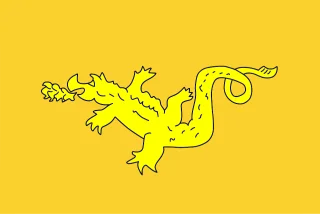 Xiongnu (Asian Huns)≈ 180 BC – 60 BC
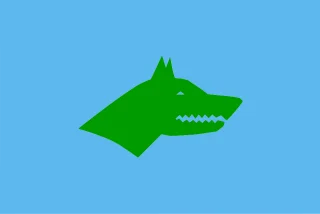 Turkic Khaganate≈ 552 – 744
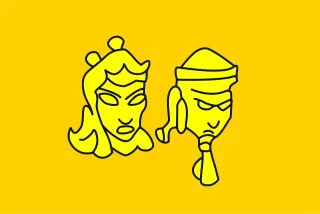 Uyghur Khaganate≈ 744 – 840
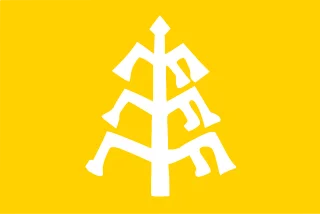 Karakhanid Khanate≈ 840 – 1211
 Mongol Empire and Chagatai Khanate≈ 1206 – 1380
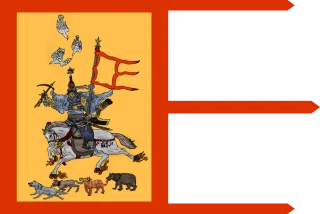 Dzungar Khanate≈ 1678 – 1755
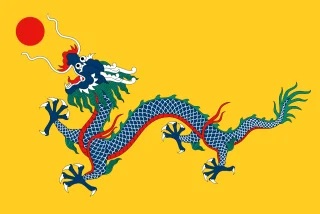 Qing dynasty≈ 1697 – 1912
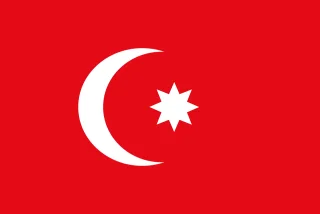 Yettishar (Yaqub Beg's state)≈ 1865 – 1877
 Russian occupation≈ 1871 – 1881
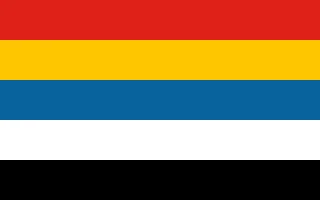 Republic of China≈ 1912 – 1949
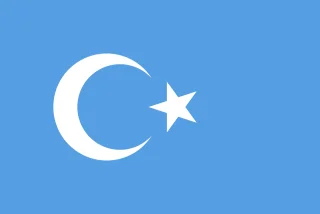 East Turkistan Islamic Republic≈ 1933 – 1934
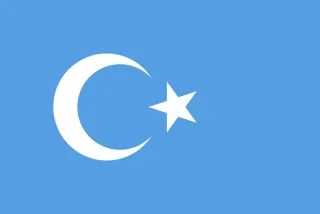 East Turkestan Republic≈ 1944 – 1949
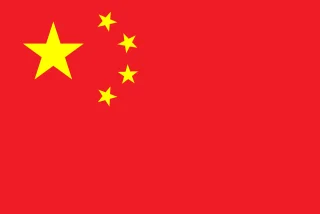 People's Republic of China≈ 1949 – today
Oasis kingdoms and the Huns
200 BC – 552 · 6 statesIn the world375 The Great Migration: the Huns enter Europe and the great migrations begin · 476 Fall of Western Rome: Antiquity ends
- Local oasis kingdomuntil 658The small city-states of the Tarim oases, Kroraina, Khotan, Kucha, Kashgar and others, that lived on the trade routes and survived for centuries by paying tribute to whichever great empire was strongest.
- Kingdom of Kuchauntil 658The richest oasis of the Tarim, whose painted caves at Kizil, music and monk Kumarajiva became famous far beyond it; it wrote in Tocharian, a language forgotten until its manuscripts were found.
- Kingdom of Khotanuntil 1006The Buddhist kingdom of jade and silk that lasted more than a thousand years, and that, legend says, got its silk from a Chinese princess who hid silkworm eggs in her headdress.
- Han dynasty (Protectorate of the Western Regions)≈ 60 BC – 107The Han dynasty's foothold in the oases, won in a long contest with the Xiongnu: in 60 BCE it set up the Protectorate of the Western Regions, whose hold came and went over the next century and a half.
- Kingdom of Gaochang (Qu family)≈ 460 – 640The kingdom at Turfan that wrote in Chinese, worshipped the Buddha, paid tribute to the Turks and was full of Sogdian merchants, and whose king tried to keep the pilgrim Xuanzang for life.
Steppe khaganates
552 – 840 · 4 statesIn the world622 The Hijra: Islam begins to spread
khaganate · ≈ 552 – 744Turkic KhaganateThe first state to bear the name 'Türk', founded by 'blacksmith slaves' who in a few years ruled from Central Asia to Mongolia.khaganate · ≈ 744 – 840Uyghur KhaganateThe Uyghur khaganate that built towns on the steppe, made Manichaeism the religion of its court and sent its horsemen to win back the Tang capitals from the An Lushan rebels.- Tang dynasty (Anxi Protectorate)≈ 630 – 790The Tang empire's rule over the Tarim oases in the 7th–8th centuries, through the Anxi Protectorate and its Four Garrisons; it was fought over with Tibet for a century and given up in the 790s, before Tibet and the Uyghurs.
- Tibetan Empire≈ 790 – 851The mountain empire that fought the Tang for the Tarim for two centuries and held its south and west in the 8th–9th centuries; its soldiers' everyday paperwork still lies in the forts of Miran and Mazar Tagh.
Karakhanids and Qocho
840 – 1218 · 4 statesIn the world1096 The Crusades: Europe and the Near East at war
khanate · ≈ 840 – 1211Karakhanid KhanateThe first Turkic dynasty to accept Islam, and the age that produced the first great books in Turkic, Mahmud al-Kashgari's Diwan and Yusuf Khass Hajib's Kutadgu Bilig.empire · ≈ 1206 – 1380Mongol Empire and Chagatai KhanateThe world empire of Chinggis Khan, whose seals, scribes and script came from the Uyghurs, and the khanate of his son Chagatai's line that ruled the region in the 13th–14th centuries.- Uyghur kingdom of Qocho≈ 850 – 1335The Uyghur kingdom of the Turfan oasis, where Buddhists, Manichaeans and Christians lived side by side and Uyghur scribes wrote the books that later taught the Mongols to write.
- Qara Khitai≈ 1130 – 1218The empire built in Central Asia by a Khitan prince who fled with two hundred horsemen, to which the Karakhanids and the Uyghurs paid tribute, and which gave Europe the legend of Prester John.
Mongols and Chagatai
1218 – 1514 · 2 statesIn the world1453 Fall of Constantinople: the Middle Ages end and the early modern age begins · 1492 Columbus reaches America: sea routes begin to overtake the land roads
- Moghulistan≈ 1347 – 1697The khanate in which Chinggis Khan's descendants in the Ili and the Tarim became Muslims, under Tughluq Temür Khan in the 14th century: on one day, says the Tarikh-i Rashidi, 160,000 people cut off their hair and became Muslims.
- Qara Del (Kumul)≈ 1380 – 1513The 'gateway on the road west' that the Ming backed and the khans of Turfan seized again and again: a small state at Kumul ruled by Mongol princes of the Chinggisid line in the 14th–16th centuries.
Yarkand Khanate
1514 – 1759 · 4 statesIn the world1517 The Reformation: the Western church splits
khanate · ≈ 1678 – 1755Dzungar KhanateThe last steppe empire: the Oirat Mongol khanate that took the Tarim oases in 1679 (1678 in other sources) and taxed them for eighty years, until the Qing destroyed it, and most of the Dzungars with it, in 1755–1759.dynasty · ≈ 1697 – 1912Qing dynastyThe Manchu empire that destroyed the Dzungars, conquered the region in 1759, and in 1884 made it a province and gave it the name 'Xinjiang', 'new frontier'.- Yarkand Khanate≈ 1514 – 1705The khanate that ruled East Turkistan for 170 years, at whose court the Twelve Muqam are held to have been arranged, and whose khan was the patron of the Tarikh-i Rashidi.
- Kumul Khanate (under the Qing)≈ 1697 – 1930The Uyghur princes of Kumul, who kept their own small state under the Qing for more than two centuries, and whose abolition after the death of the last khan, Maqsud Shah, set off the rising of 1931. It lasted from 1697 to 1930.
Qing rule
1759 – 1912 · 4 statesIn the world1760 Industrial Revolution: machines and steam power · 1789 French Revolution: the late modern age begins
emirate · ≈ 1865 – 1877Yettishar (Yaqub Beg's state)The state an officer from Kokand built in the Tarim basin, which signed treaties with Britain and Russia and had ties with the Ottomans, and which fell when the Qing returned in 1877. Yaqub Beg founded it in 1865 with its centre at Kashgar.occupation · ≈ 1871 – 1881Russian occupationTen years of Russian rule in the Ili valley, 1871–1881, that ended with the Treaty of Saint Petersburg and sent many Taranchis and Tungans across the border to the Russian side.- Dungan revolt (Tuo Ming's rule)≈ 1864 – 1870The Dungan (Hui) rising of 1864 that broke Qing rule in Ürümqi; Tuo Ming ruled the city until Yaqub Beg took it in 1870.
- Ili Sultanate≈ 1864 – 1871The sultanate that the Taranchis (Ili Uyghurs) and Tungans set up at Ghulja after the rising of 1864, and that ended when Russia occupied the Ili valley in 1871. Its sultan was Ala Khan.
The republics
1912 – 1949 · 4 statesIn the world1914 First World War: empires begin to fall · 1939 Second World War: ends in 1945; a new world order
republic · ≈ 1912 – 1949Republic of ChinaThirty-seven years in which the province belonged to the Republic of China in name but was ruled by its governors as their own: Yang Zengxin, Jin Shuren and Sheng Shicai, a banquet murder, a coup, Soviet intervention and two republics.republic · ≈ 1933 – 1934East Turkistan Islamic RepublicThe first East Turkistan republic, proclaimed at Kashgar in November 1933 and overthrown by Tungan troops a few months later, in 1934. It took in the oases of Khotan, Yarkand and Kashgar; Khoja Niyaz was its president and Sabit Damolla its prime minister.republic · ≈ 1944 – 1949East Turkestan RepublicThe second East Turkistan republic, whose leaders vanished on their way to Beijing in August 1949. Founded at Ghulja in 1944, it governed the Ili, Tarbaghatay and Altay districts, formed a coalition government with the province in 1946, and passed to the People's Republic in 1949.1949 to today
1949 – today · 1 statesIn the world1991 End of the Soviet Union: the Central Asian republics become independent