Stop 5 / 10 · explorer · 1860 – 1930
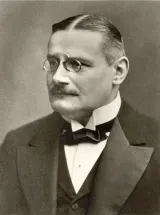
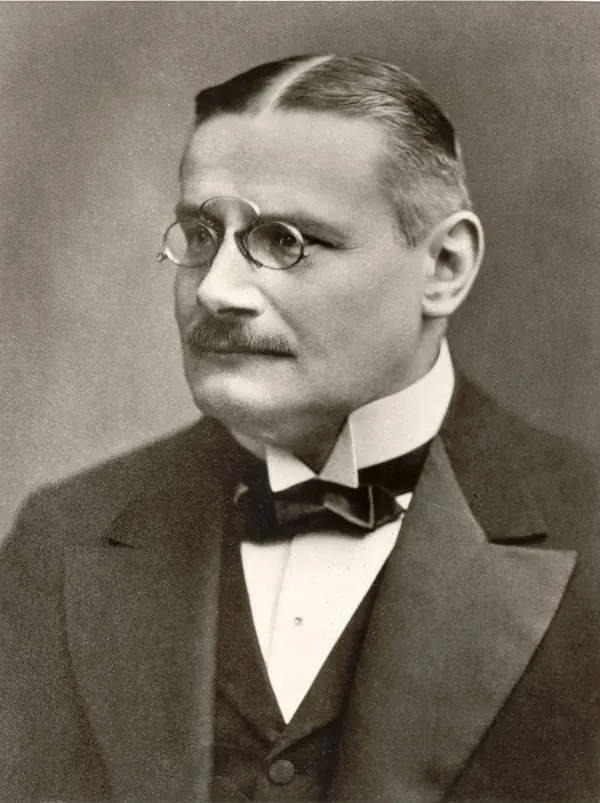
Albert von Le Coq
The man who stood in for Grünwedel.
The man who sawed the great Bezeklik wall paintings off the cave walls and took them to Berlin, where they were lost in the bombing of 1943. He led the second German Turfan expedition (from November 1904) and took part in the third (to 1907).

How did he take the wall paintings away?
By cutting them out of the rock. Le Coq reached the Turfan oasis on 17 November 1904 at the head of the second German expedition, standing in for the sick Grünwedel, with the technician Theodor Bartus at his side. At Bezeklik the team found Buddhist wall paintings unmatched in quality, number and size, sawed them from the cave walls in sections, packed them and shipped them to Berlin, where they were given a place of honour in the Museum für Völkerkunde. Le Coq wrote up the adventure for a wide public in his book on the 'buried treasures of Chinese Turkestan'.
The gamble failed in the end. In an air raid on Berlin in 1943 the largest of the Bezeklik paintings, from cave 9, were destroyed; only photographs and smaller pieces remain. Le Coq also worked on the third expedition until 1907, when Grünwedel took over.
Sources: Werner Sundermann, “Turfan Expeditions”, Encyclopaedia Iranica (2004) · Le Coq, Buried Treasures of Chinese Turkestan (1928)
Sources (3)
- Werner Sundermann, “Turfan Expeditions”, Encyclopaedia Iranica (2004) · cited only
- Le Coq, Buried Treasures of Chinese Turkestan (1928) · cited only
- Wikidata · cited only