poet · 1901 – 1933
Abduxaliq Uyghur
ئابدۇخالىق ئۇيغۇر
The poet who took 'Uyghur' as his pen name and called his people to wake up and go to school, and was executed for it by the provincial government in 1933. He came from Turfan.
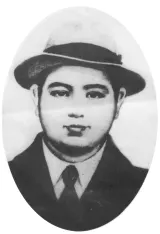
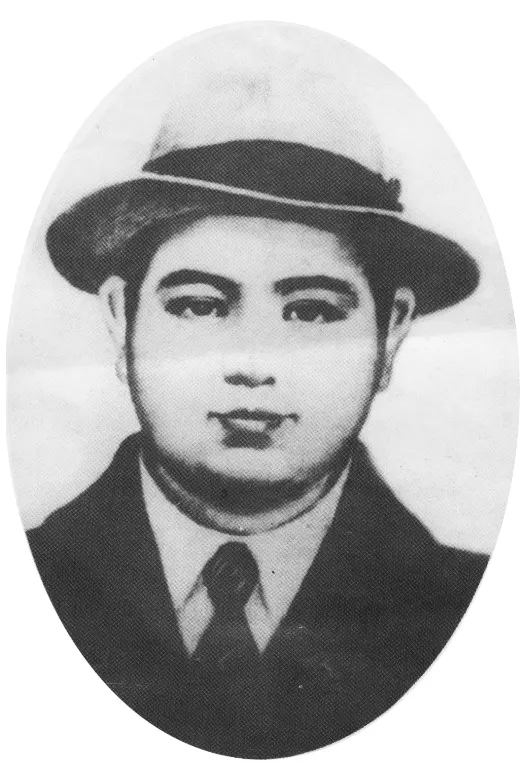

Life and works
- 1901BornTurfan
- 1921eventThe name 'Uyghur' comes backThe name 'Uyghur' is revived for a whole people.
- 1933DiedAbduxaliq Uyghur
Why did he call himself 'Uyghur'?
At a time when the settled Turkic people of the oases mostly called themselves after their town, or simply Muslims, he signed his poems 'Uyghur'. Millward counts him among the few in Turfan who used the name in the 1920s and 1930s, before Sheng Shicai made it official. Ayup argues that the choice owed nothing to the Tashkent congress of 1921 that revived the name, because his poem 'The Uyghur Girl' dates from 1917. His best-known poem, 'Wake Up, Uyghur', belongs to a family of calls heard across the Turkic world in those years, beside the Kazakh poet Dulatov's 'Wake Up, Kazakh' and Mehmet Akif's 'Wake Up'.
He wrote in the people's spoken language rather than the classical one, argued for new-method schools and attacked superstition and religious teaching cut off from science. Ayup traces his models to Navoi and Fuzuli among the classics and to Namık Kemal and the Tatar poet Tukay among the moderns; he knew Tatar well enough to write poems in it. He was executed in Turfan in 1933.
Sources: Abduveli Ayup, “Abdulhaluk Uygur Hakkındaki Çalışmalarda Sorunlar”, Uluslararası Uygur Araştırmaları Dergisi 2017/9, 17–21 · James A. Millward, Eurasian Crossroads: A History of Xinjiang (London: Hurst, 2007)
Why should we be careful with what is said about his life?
Because much of it was rewritten later. His poems were first printed only in 1947, after his death, and returned to Uyghur magazines after 1979. Ayup shows that books of the 1980s and after made him a Marxist: one claims he studied at the Communist University of the Toilers of the East in 1923–26, but that university took no Uyghur students in those years; a verse naming Lenin may have been added by editors; the word shura in one poem, read as 'soviet', simply means 'council' in its rhyme with deva and shifa. Even the number of his poems is uncertain, from about seventy to over 250. Ayup's conclusion: a real biography of the poet still has to be written.
Sources: Abduveli Ayup, “Abdulhaluk Uygur Hakkındaki Çalışmalarda Sorunlar”, Uluslararası Uygur Araştırmaları Dergisi 2017/9, 17–21
Sources (3)
Years come from Wikidata only and are not yet checked against a second source.