theme · ≈ 401 – 1204
Writing and language
Dictionaries, poems and translations: the works written in this land and the people who wrote them.
4 events · 7 people · 10 objects
Which scripts were written here?
A great many. Under the Kushans (late 1st to late 3rd century) administrative documents were written at Loulan, Khotan and Niya in Kharoshthi, an Indic script. Sogdian was the common language of the Silk Road. From the Sogdians the Uyghur khagans took the Sogdian script, itself descended from Aramaic, and used it to write their unrelated Uyghur language. This vertical Uyghur script was later adopted by the Mongol empire, and then by the Manchus and the Dzungars.
Around the year 1000, as Islam spread, an Arabic-based script like that of Persian and Urdu was adopted for Turkic, and later used for Chaghatay, the heavily Persianised literary Turkic of Central Asia. Modified Arabic script was used to write the forerunners of modern Uyghur for a thousand years. Then, between the 1930s and the 1980s, the Uyghur script was reformed or replaced four times: reforms in 1937 and 1954 fitted the Arabic script better to modern Uyghur; in 1956 a Cyrillic script on the Soviet model was introduced; and in 1960, as relations with the Soviet Union broke down, it was dropped for a new system.
Sources: James A. Millward, Eurasian Crossroads: A History of Xinjiang (London: Hurst, 2007)
Why do the works written here matter?
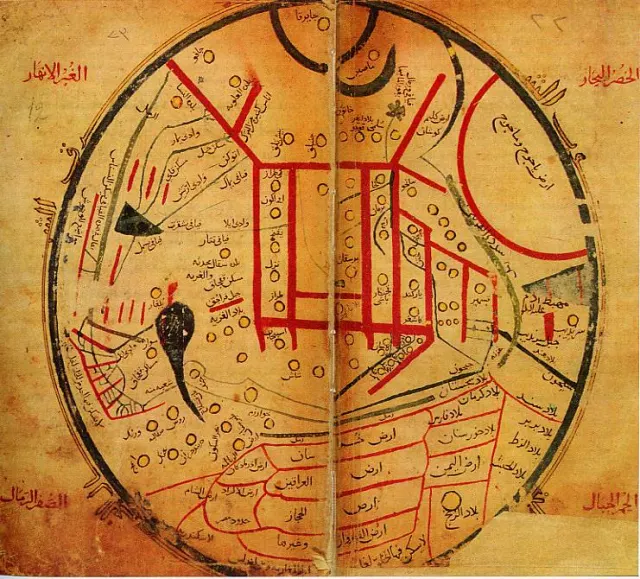
Because they preserved a culture and joined languages. In the 11th century two men from Kashgar laid the foundations of Turkic letters. Mahmud al-Kashgari's Diwan explained Turkic words in Arabic and saved 764 lines of verse; he called the Uyghur and Karakhanid dialects the most elegant and purest of the Turkic tongues, because they had not mixed with Persian. Yusuf Khass Hajib's Kutadgu Bilig set the Islamic-Iranian tradition of advice for princes and Sufi values in Turkic verse; Buğra stresses that its more than 6,500 couplets use fewer than a hundred Arabic words. Both men are national heroes for Uyghurs today.
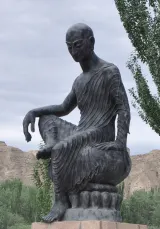
Bridges between languages were built here too. Kumārajīva of Kucha, who knew Chinese, Sanskrit and the various Buddhist schools, carried Buddhism into Chinese and left a deep mark on Buddhism in China. Under the Mongols, Uyghur scribes taught their script to the Mongols. In the 20th century poets such as Abdukhaliq Uyghur, Lutpulla Mutellip and Abdurehim Ötkür carried the heritage on.
Sources: James A. Millward, Eurasian Crossroads: A History of Xinjiang (London: Hurst, 2007) · Mehmet Emin Buğra, Şarkî Türkistan Tarihi (1940), in Abdullah Oğuz, Şarkî Türkistan Tarihi: Metin Tenkidi, Türkiye Türkçesi ve İnceleme, MA thesis, İstanbul Üniversitesi (2020)
Events
Objects
Dīwān Lughāt al-Turkmanuscript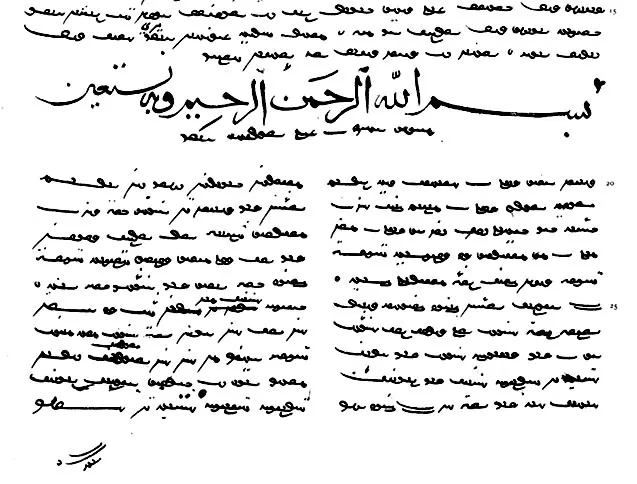 Kutadgu Biligmanuscript
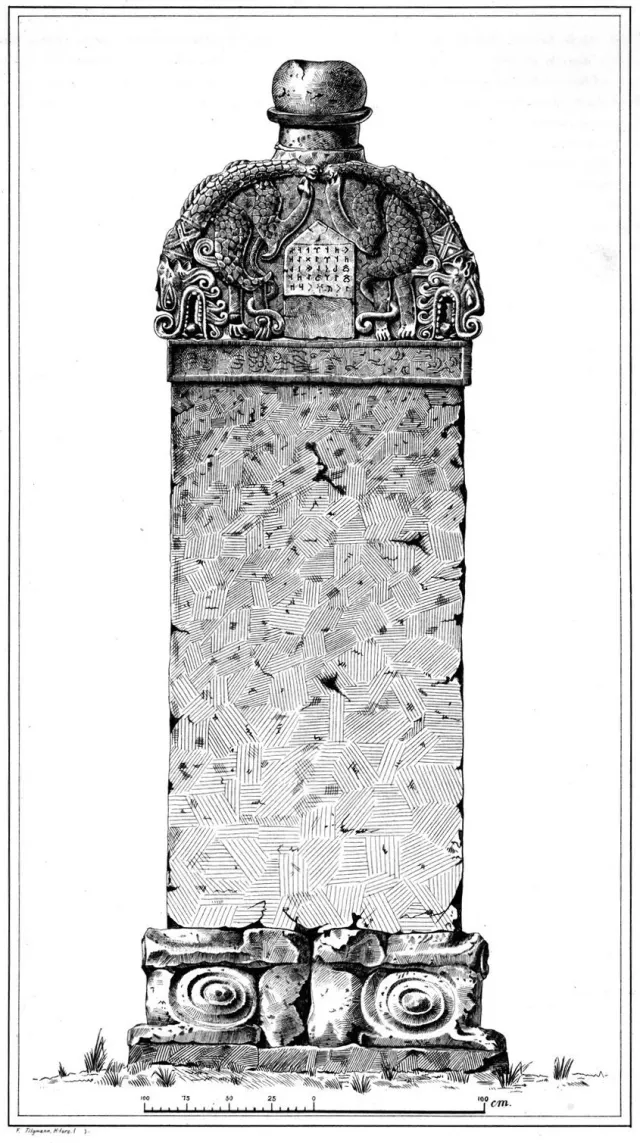 Karabalgasun inscriptioninscription
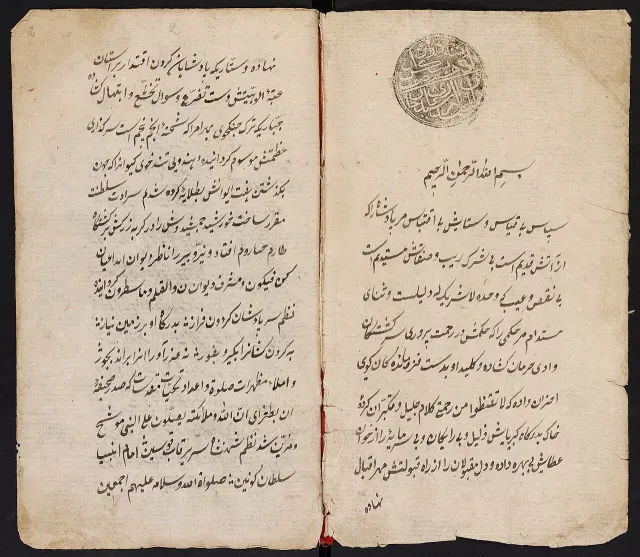 Tarikh-i Rashidimanuscript

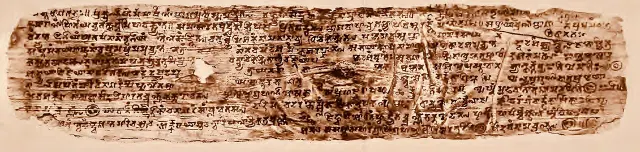 The Bower manuscriptmanuscript
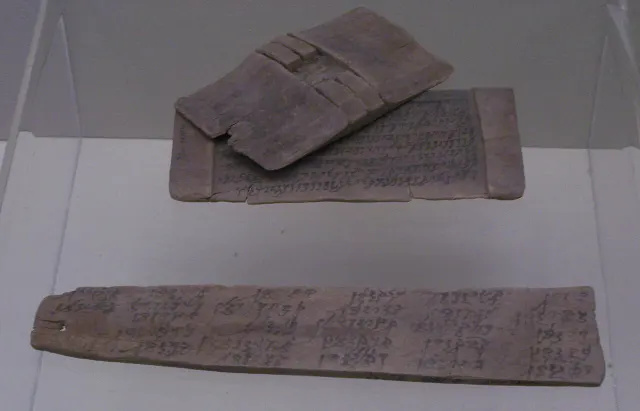 The Kharoshthi tablets of Niyadocument
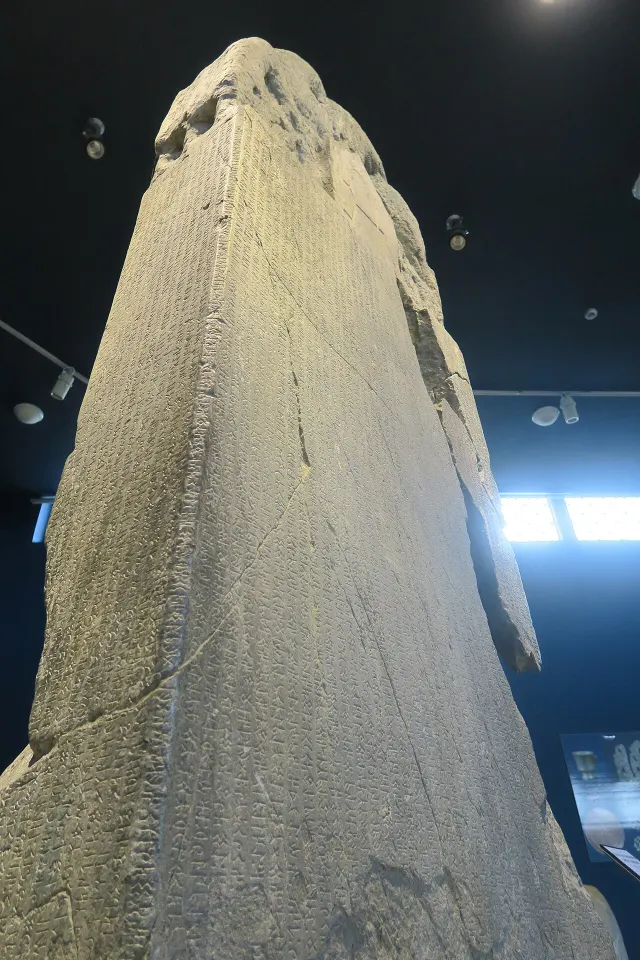 The Kül Tegin inscriptioninscription
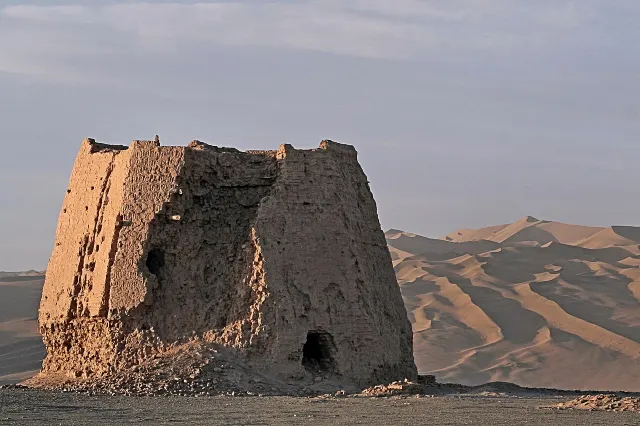 The Sogdian Ancient Lettersdocument
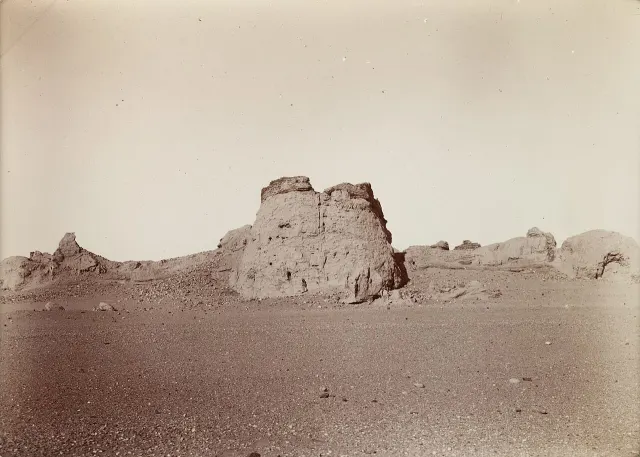 The Tibetan documents of the Miran fortdocument
 Ḥudūd al-ʿĀlam (The Limits of the World)manuscript