theme · ≈ 1765 – 2009
Risings and republics
From Ush Turfan in 1765 to Ürümqi in 2009: risings, two republics and the people who led them. Contested events are shown side by side, each view with its own source.
22 events · 7 people

When and why did the oases rise?
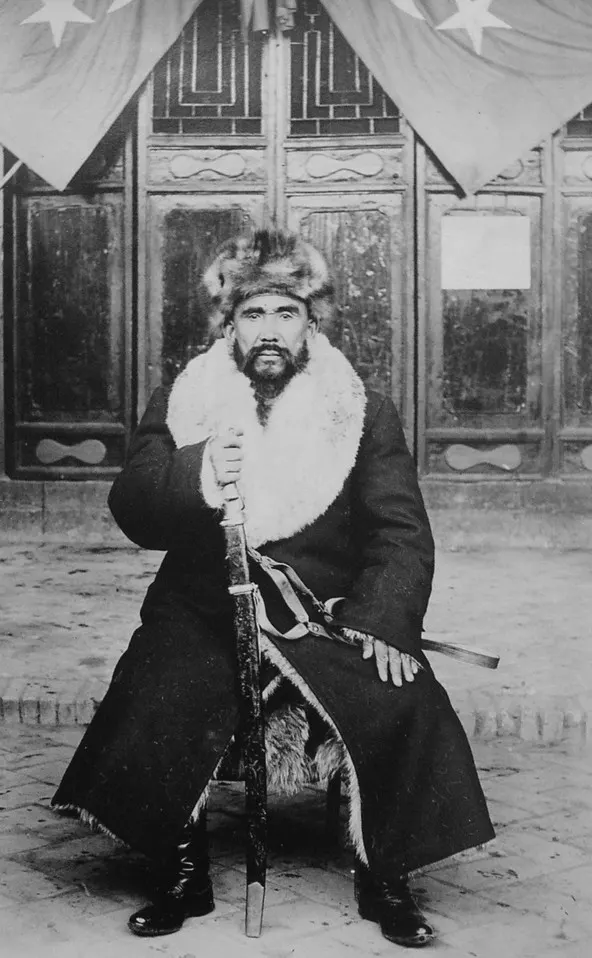
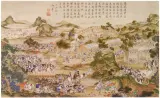
Not constantly, but when misrule grew heavy. Contrary to a common belief, Millward writes, Qing rule in the Tarim did not face unrelenting resistance from the local Uyghurs. The Ush Turfan rising of 1765 broke out over flagrant abuse by officials and ended in a massacre; afterwards the Qing reformed the beg system, and sixty years passed without a major incident. The next dangers came from Kokand: Jahangir Khoja in 1826 and his brother Yusuf in 1830.
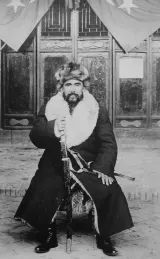
1864 was different. After the 1850s Qing silver stopped arriving and officials imposed crushing taxes; when a rumour spread that the emperor had ordered the Tungans massacred, the Tungans rose in Kucha, then in Ürümqi, Yarkand and Kashgar, and leadership soon passed to local Turkic Muslims. Yaqub Beg's state grew out of that chaos. Millward calls the 1930s 'the deluge': discontent from Yang Zengxin's long rule and Jin Shuren's egregious misrule, Turkic nationalism nurtured in two generations of jadid-educated students, and the eager meddling of Gansu Hui, White Russians and the Soviet Union plunged Xinjiang into rebellion and inter-ethnic bloodshed.
Sources: James A. Millward, Eurasian Crossroads: A History of Xinjiang (London: Hurst, 2007)
What did the two republics leave, and why are some events told in different ways?
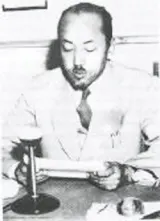
The two republics were short-lived, but they left their mark. The republic proclaimed in Kashgar in 1933 lasted about three months; Millward counts it an event of great historical moment for Uyghur nationalism. The republic proclaimed in Ghulja in 1944 governed Ili, Tarbaghatay and Altay for five years with its own army and currency, and passed to the People's Republic in 1949.
On some of these events historians and states disagree. Millward likens the accounts of the second republic to Rashomon: scholars, states and political actors disagree about who was really behind the rising and the Ili regime. So in Tarixim such events show each view side by side, each with its own source; where Kul or Buğra supports a view it stands first as the most widely accepted (ADR 0010), and for the events after 1949 no view is put first.
Sources: James A. Millward, Eurasian Crossroads: A History of Xinjiang (London: Hurst, 2007) · Ömer Kul, Osman Batur ve Doğu Türkistan Millî Mücadelesi (1941–1951), doctoral thesis, İstanbul Üniversitesi (2009)
Events
- 1765The Ush Turfan uprisinguprising · Aksu
 1826Jahangir Khoja takes Kashgaruprising · Kashgar
- 1864The rebellions of 1864uprising · Kucha
- ≈ 1907Kumul's peasants against their princeuprising · Yizhou District
 1931The Kumul uprising beginsuprising · Yizhou District
 1933A government of emirs in Khotanfounding · Khotan
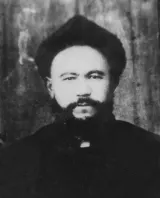 1933The East Turkistan Republic is proclaimed in Kashgarfounding · Kashgar
- 1934The Kashgar republic fallsfall · Aksu
- 1937The southern revolt of 1937 and the purgesuprising · Kashgar
- 1940The Altay Kazakhs riseuprising · Fuyun
- 1943Osman is proclaimed khan at Bulgunevent
- 1944The Ghulja risinguprising · Ghulja
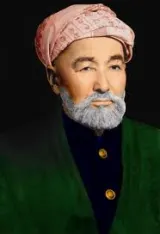 1944The East Turkistan Republic is proclaimed in Ghuljafounding · Ghulja
- 1945The Altay is cleared of provincial troopsbattle · Altay City
- 1946Osman breaks with Ghuljaevent · Ghulja
- 1947The Baytik Bogda clashbattle · Baytag Bogd Uul
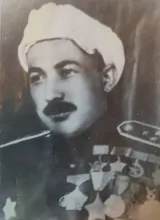 1949The Ghulja leaders vanish on the way to Beijingevent
- 1951Osman Batur's last yearfall · Barkol
- 1962The flight to the Soviet Union, 1962migration · Ghulja
- 1990The Baren incidentuprising · بارىن يېزىسى
- 1997The Ghulja incidentuprising · Ghulja
- 2009Ürümqi, 5 July 2009uprising · Ürümqi