theme · ≈ 1902 – 1943
Expeditions
The European and Japanese expeditions of the 1890s to the 1910s, and what they took away.
6 events · 7 people · 9 objects
Why did European and Japanese expeditions come here?
Because a lost world lay under the sand. From the late 19th century to the mid-20th, more and more European archaeologists, geographers, diplomats, missionaries, spies and other adventurers came. Sven Hedin, Aurel Stein, Albert von Le Coq, Paul Pelliot, Count Ōtani Kōzui and others reaped from the barren soil a rich harvest of archaeological finds. These were the first material evidence of the early exchange of goods and ideas between India, China and the Mediterranean, the history captured in the term 'Silk Road'.
A manuscript set the hunt going. The Bower manuscript, written on birch bark and found at Kucha in 1890, was the first Brahmi manuscript known to the West; Ching Chao-jung writes that its discovery stimulated several archaeological expeditions to the region.
Sources: James A. Millward, Eurasian Crossroads: A History of Xinjiang (London: Hurst, 2007) · Chao-jung Ching, “Kucha”, Encyclopaedia Iranica (2021)
What did they take, and where is it now?
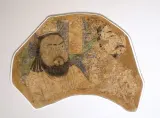
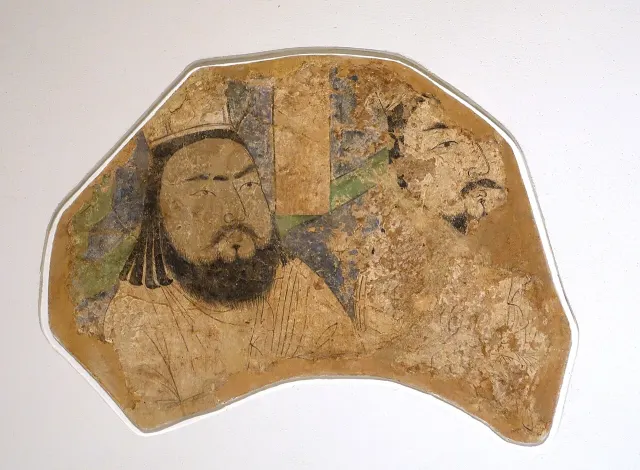
Murals, manuscripts and statues, now scattered across the world. The German Turfan expeditions (1902–1914) carried thousands of finds to Berlin from Qocho (today Karahoja, near Turfan), Sengim, Bezeklik and Toyuq. The chief prize of the second expedition was the Buddhist wall paintings of the Bezeklik caves, cut from the walls and given a place of honour in Berlin's Museum für Völkerkunde; the Prussian state paid 140,000 marks for the third. No Turfan collection suffered more from the Second World War than the German one: the finest murals, from Bezeklik cave 9, were lost in an early air raid on Berlin in 1943, though most manuscript fragments survived.
Others took their share. The Russian scholar Sergey Oldenburg surveyed the ruins around Turfan and Karashahr in 1909–1910 and brought his finds to the Hermitage in Saint Petersburg. The expeditions of the Japanese abbot Ōtani Kōzui (1902–1914) dug at Turfan, Kucha and Loulan; their finds are now scattered among museums in Tokyo, Seoul and Lüshun. The finds of Stein's second expedition were divided between London and Delhi, three-fifths going to the new Imperial Museum at Delhi.
Sources: Werner Sundermann, “Turfan Expeditions”, Encyclopaedia Iranica (2004) · Stein, Serindia (1921) · James A. Millward, Eurasian Crossroads: A History of Xinjiang (London: Hurst, 2007)
Events
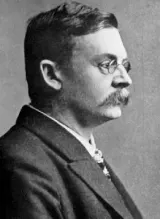 ≈ 1902The first German Turfan expeditionexpedition · Qocho
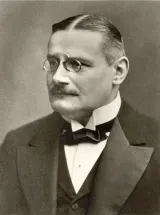 1904Le Coq arrives in Turfanexpedition · Turfan
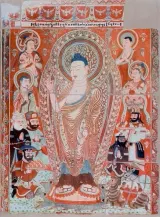 ≈ 1904The Bezeklik murals are taken to Berlinevent · Bezeklik Thousand Buddha Caves
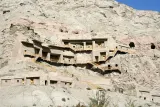 ≈ 1905The third German expeditionexpedition · Kashgar
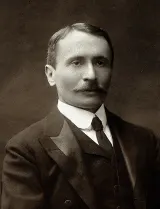 1914Stein digs in Qochoexpedition · Qocho
- 1943The Bezeklik murals are lost in Berlinevent · Berlin
Objects
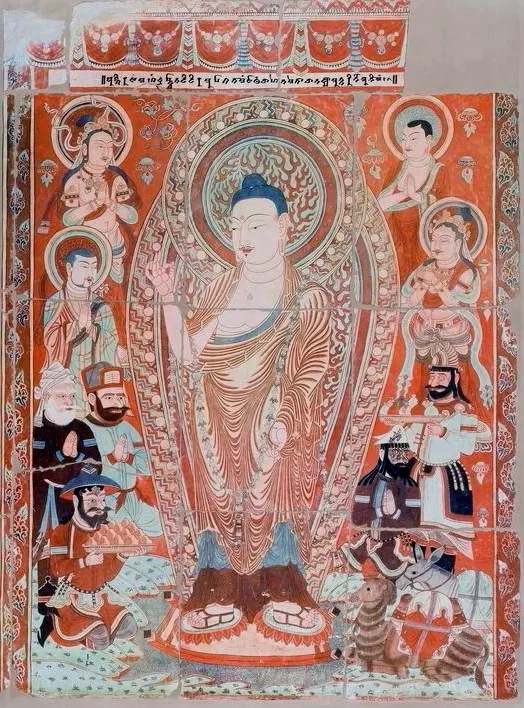 Bezeklik praṇidhi muralswall paintingManichaean clergy wall painting from Qochowall painting
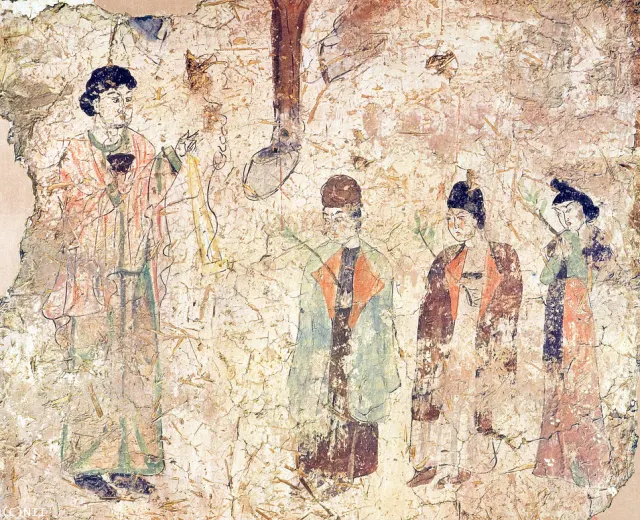 The Palm Sunday wall painting from Qocho's churchwall painting
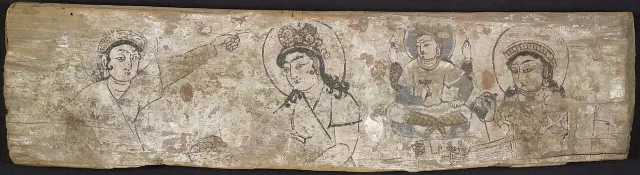 The silk princess panelpainting
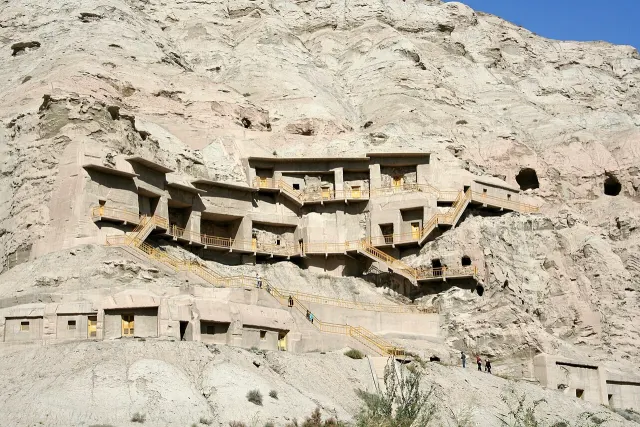 The Kizil cavesbuilding

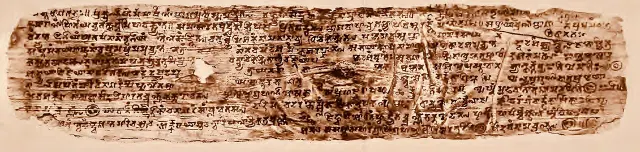 The Bower manuscriptmanuscript
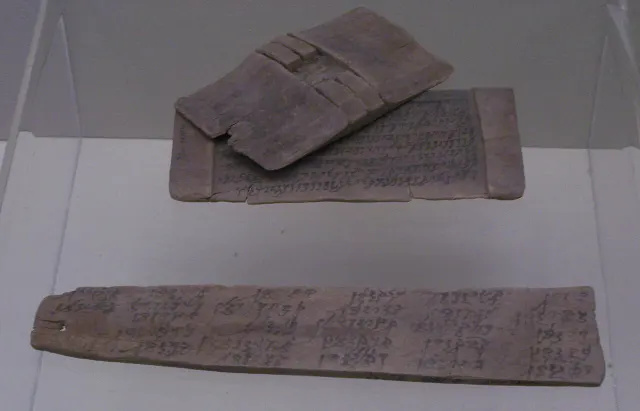 The Kharoshthi tablets of Niyadocument
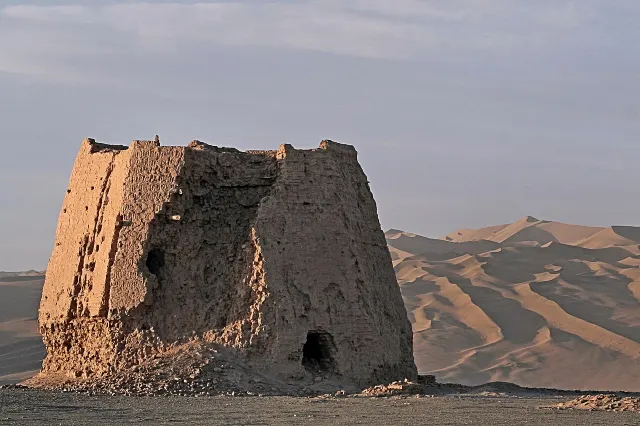 The Sogdian Ancient Lettersdocument
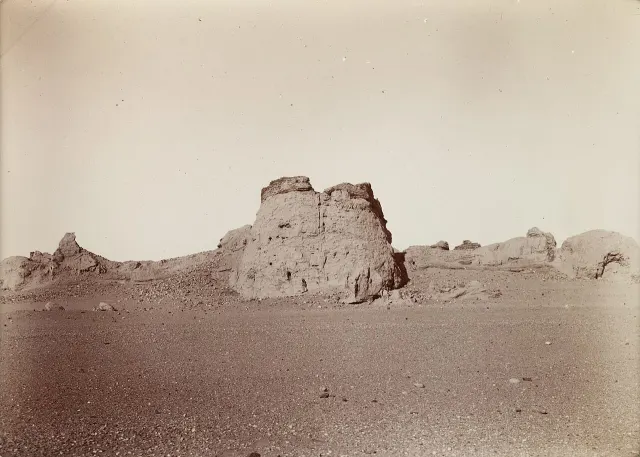 The Tibetan documents of the Miran fortdocument